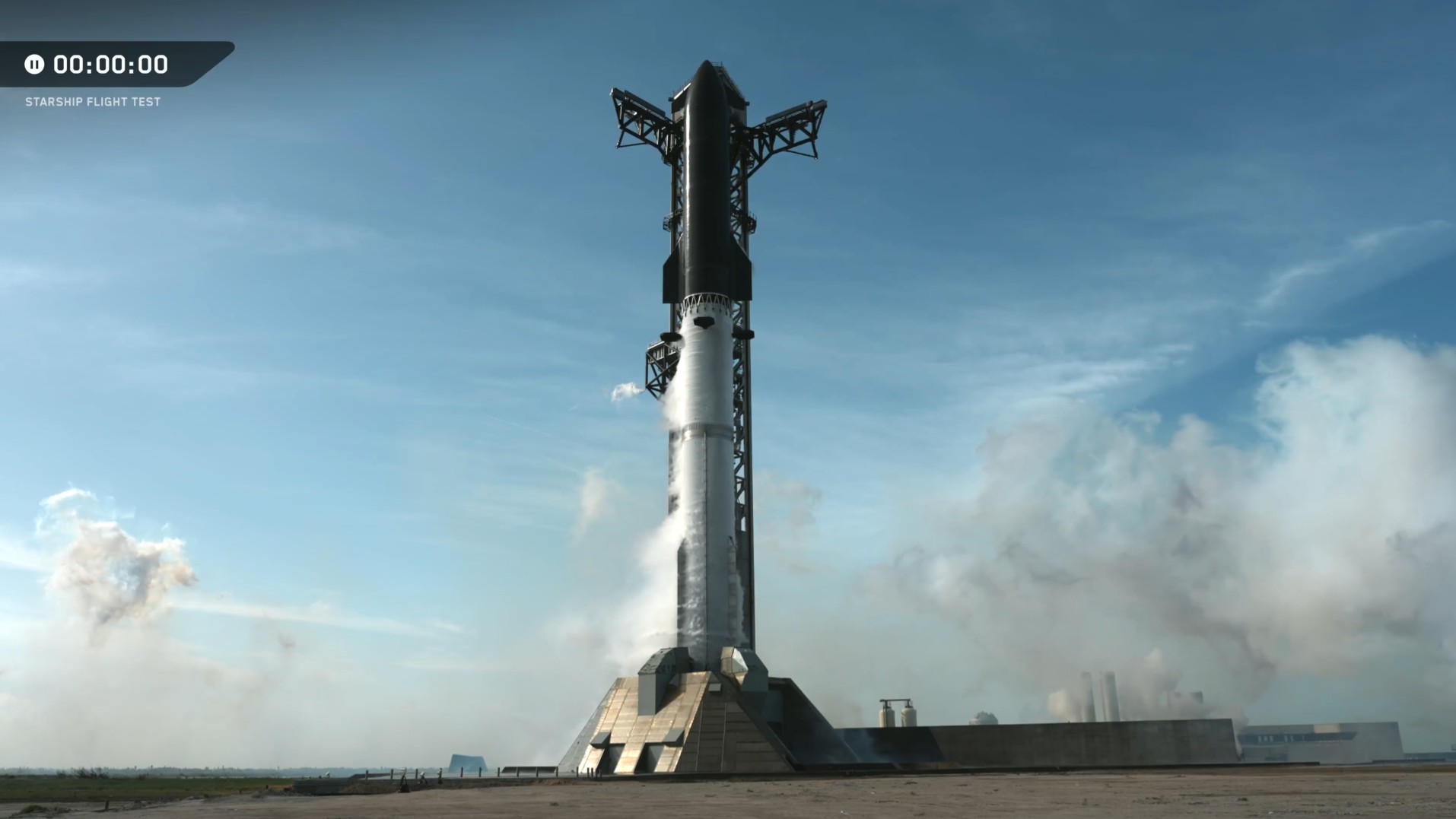
Starship didn’t fly.
Not today anyway.
July 16 was supposed to be another milestone for SpaceX’s megarocket program. Flight 13. Thirteen chances at glory, and here they are. Thirty-three first-stage Raptor engines ignited, shaking the launch tower in South Texas, when suddenly—nothing. The system panicked. An abort triggered instantly. The beast sat there. Breathing. Waiting.
It was close. Too close for comfort perhaps.
Dan Huot, SpaceX’s Director of Mission Assurance, told the webcast audience they’d dig into it. He sounded tired, or maybe just pragmatic.
“We’ll take some time… dig into what triggered that abort… and then figure out what our path forward is.”
Elon Musk doesn’t usually take much time. By evening, the fix was proposed.
“To be confident of a good flight… Most probable launch timing is early next day,” he tweeted on X.
Two Raptors out. Two in. Easy surgery? Maybe. But the delay stings slightly after months of rapid iteration.
This isn’t Flight 1. It’s Flight 13 of Version 3.
The hardware has changed. The goals have tightened.
Last May, Flight 12 worked mostly okay. “Okay” is a strong word for spaceflight where things explode regularly, but the Super Heavy booster failed its splashdown choreography. The Ship stage couldn’t relight an engine in vacuum. Problems exist. Small ones, relatively. But they accumulate.
Flight 13 repeats those goals. Hit the Gulf. Loop around the Earth. Splash down near Western Australia. Ship managed the landing last time, so the pressure is now squarely on the first stage’s navigation.
There’s baggage on this trip, too.
Twenty new Starlink V3 satellites ride shotgun.
Twenty.
These aren’t just test dummies. They are part of the promised constellation—100,000 ships intended to blanket low Earth orbit. This is their debut. The maiden voyage.
They won’t make it.
Intentionally. The plan involves deploying them mid-arc. Suborbital. Up for about twenty minutes before gravity reclaims them and they crash back down. No long-term service for this batch. Just a taste of space. Six even carry cameras, snapping photos of the Ship’s heat shield as it burns.
Data is everything. The rest is just debris.
Will the replacement engines work next week?
We’ll see.
SpaceX builds rockets by breaking them, then breaking them less. Today was just another step. Another line item. The pad is empty now, but not for long.