You may not even realize that you are listening to public media. Maybe you listen to NPR on your morning commute. Or maybe you watched a PBS documentary about the ocean while eating dinner. This happens all the time. About 170 million Americans tuning into public media every month. That’s more than half the country.
Let’s think about this number. In fact, PBS attracts more viewers than A&E, Discovery and HGTV combined. We take it for granted. The educational shows. The British imports. The serious documentaries that doesn’t fit into a 22-minute commercial.
But where did this whole system come from?
It all started with Lyndon B. Johnson. In 1967, he signed the Public Broadcasting Act The goal is simple. Spur the growth of non-commercial broadcasting. Commercial radio is dying, a victim of everyone’s shiny new toy, television.
The government established a Corporation for Public Broadcasting (CPB). It is a private non-profit organization. Legally, they cannot produce or distribute programs. It can’t even run a station. This is a carefully considered choice.
Instead, CPB established the Public Broadcasting Service (PBS) in 1969. Then in 1970, National Public Radio (NPR) was established. Their job? Deliver educational, cultural and news content. All over the country.
Where does the money come from?
PBS and NPR receive federal funding through CPB. This funding comes from US tax dollars. However, the number is surprisingly small.
For fiscal year 2019, CPB requested $445 million in spending. That’s the same amount Congress gave them in 2016, 2017, and 2018. That sounds like a lot until you look at the big picture. That’s just 0.01 percent of the federal budget.
NPR’s share is even smaller. Its share of the operating budget is less than 1%.
CPB is mandated to spend 95% of the funds to fund local public media stations, content development, community services and other similar needs.
This leads to a strange dynamic. Congress debates funding cuts every few years. Public media executives fight to keep it that way. We need to consider why such tensions exist.
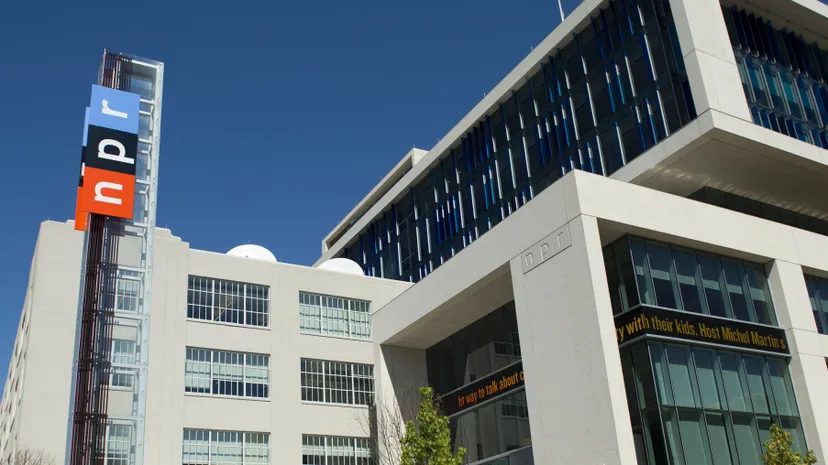
National Public Radio (NPR)
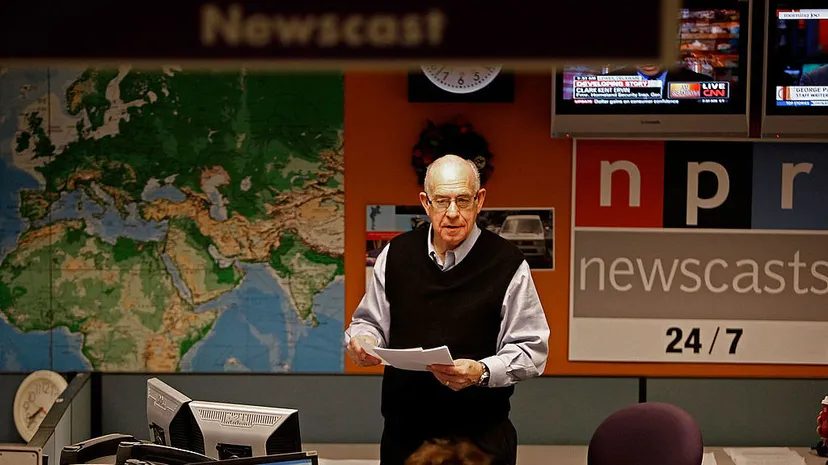
When National Public Radio was founded in 1970, its mission was simple. Create news. It was distributed to member stations. The network started with only 90 stations. These affiliates have options. They could air programs licensed from NPR and other sources. Or they could create your own original content. Fresh Air is a good example. WHYY-FM in Philadelphia produces the program. NPR broadcasts nationally.
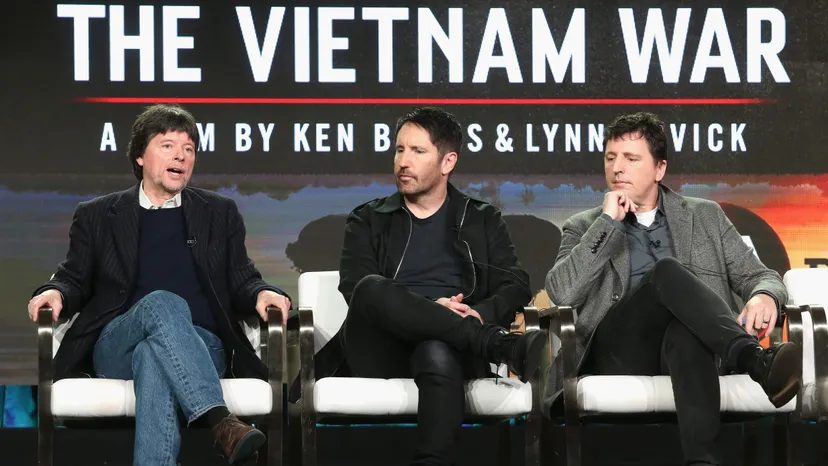
The very first thing the network ever aired sets the tone. It was live coverage of a Senate hearing on the Vietnam War.
The flagship program that built an era
All Things Considered arrived in 1971. This is an afternoon news magazine. This was NPR’s first major program. The network didn’t stop there. Morning Edition followed in 1979 and is aimed at commuters during the morning rush hour.
In its early days, few could have predicted how big this young organization would become.
Fast forward about 40 years. The picture looks different. NPR currently has approximately 1,000 member and associate stations. The programs they broadcast go far beyond hard news. The schedule also contains humor. music. Quizzes.
Digital expansion and audience reach
NPR isn’t just radio anymore. The organization has developed a multimedia presence. Podcasting is huge. Mobile apps exist. Social media is active.
The numbers reflect this growth. As of March 2017, NPR has 34 national and international bureaus. Listenership approaches 40 million listeners. Online traffic is even higher. NPR.org receives more than 41 million unique visitors monthly.
Quality is the drives much of this popularity. “Morning Edition” and “All Things Considered” are still at the top of the nationwide radio programs. Both won numerous journalism awards. The content holds up to scrutiny.
How NPR funding works
Public radio stations are doesn’t run on ad sales than commercial stations. NPR receives funding from a variety of sources. The income data for the financial years 2014-2016 are as follows:
- Fees and dues from member stations: 39%
- Corporate sponsorships: 24%
- Grants and contributions: 14%
Other income comes from foundations, colleges, universities and the Corporation for Public Broadcasting (CPB).
The cost to carry major shows vary by station. The station pays for “Morning Edition” and “All Things Considered” based on the listener volume. The formula multiplies listeners by a unit price.
Shows like \ for shows like “Fresh Air.” The costs are proportional to the station’s total revenue. A large station pays more than small ones. Why? This is because the larger stations can raise more money through the bi-annual pledge drives. They have a larger donor base.
Digital Tools and “NPR Voices”
NPR has also been successful in digital innovation. The network used instant fact-checking tools to annotate the 2016 presidential debate transcript on its website. Reporters and anchors streamed live on Facebook during work.
Then there’s the sound. Americans associate a certain tone with NPR announcers. It is measured. Inconspicuous. Serious.
It became a pop culture staple. *Parody Saturday Night Live. Anna Gasteyer and Molly Shannon star in recurring skit “Good Food.” Voices are recognized immediately. It shows authority. It shows confidence.
Public Broadcasting System (PBS)
Why #PBS is still America’s Most Trusted Media Brand
PBS offers more than just educational and entertainment programming. This is a cultural institution that has stood the test of time. The public broadcasting network reaches nearly 200 million viewers annually and reaches 82 percent of US television households. Its reputation for reliability and quality content has made it a staple in the American living room for decades.
The origin of PBS and its relationship with the government
PBS was designed to replace National Educational Television (NET), an organization developed in 1952 and funded primarily by grants from the Ford Foundation. NET receives no government funding and may broadcast documentaries critical of US foreign policy.
Although many members of Congress and government officials did not welcome this criticism, it was one of the reasons why President Lyndon B. Johnson established the publicly funded CPB in 1967. President Johnson wants public broadcasters that receive some funding from the federal government not to criticize CPB. Shortly after the launch of PBS, NET was disbanded.
PBS and its nearly 350 member stations, including Colorado Public Television and Wisconsin Public Television, offer viewers a variety of nationally and locally produced programming. These stations serve all 50 states as well as American Samoa, Guam, Puerto Rico and the US Virgin Islands. Funding comes primarily from member stations, but also from corporations, foundations, and, as we always say at the beginning of the show, “viewers like you.” About 7% of PBS’ funding comes from CPB.
Iconic shows that created PBS traditions
In its early years, PBS offered legendary programs such as “Mister Rogers’ Neighborhood,” “Evening at Pops” and “Masterpiece Theatre.” Other big names followed: “The MacNeil/Lehrer Report,” “This Old House” and “The Frugal Gourmet.” PBS also broadcasts several legendary British television series, Ken Burns documentaries and programs. PBS presented the “Monty Python’s Flying Circus” and “Are You Being Served?” in the 1970s. It appears to have been rebroadcast on the same station since the 1980s. Downton Abbey was another hit of the 2010s.
These programs, especially outstanding children’s programs such as “Sesame Street” and “Curious George”, created a high level of trust in PBS among viewers. In January 2017, a national survey commissioned by PBS found the company to be the Most Trusted among major institutions across the country, including the federal government, newspapers and courts, for the 14th year in a row. In the same study, PBS KIDS was named the best educational media brand for children.
Other public media players
Two other names you may come across in the world of public broadcasting are APT and PRI. American Public Television (APT) distributes programming to more than 350 local public television stations. Public Radio International (PRI) is a global media company that produces and distributes programming to more than 800 public radio stations in the United States.
The Bias Debate and political pressure
American public radio and television stations tend to enjoy good press. Audiences love content. But that doesn’t mean the critics are silent.
The loudest complaint? Bias. Conservatives believe that the left-wing media should not receive taxpayer dollars. These tensions came to a head in 2011 when NPR president Vivian Schiller resigned after the undercover video was revealed. In it, an executive called Tea Party members “seriously racist, racist people.” The fallout was immediate. A Forbes article from the same year dug into NPR’s Twitter connections. The data shows that the fan base leans to the left.
However, this is not a one-sided accusation. At least one former NPR host says the exact opposite. He said the network is too conservative. He argued reports sounded like a Pentagon press release. Executives deny this. They insist on neutrality. They say they present both sides.
The Funding Irony
Government funding is another major controversy. This creates a strange paradox. This irony is often overlooked by those calling for defunding. The undercover executive pointed out that NPR would do better without federal funding. It would be independent. This dispels the misconception that taxpayers pay for a large portion of operating funds.
Calls to defund for public broadcasting often come from the right. But people on both sides of the aisle agree on this. They show a simple reality. When governments give money, they expect something in return. Favorable coverage.
Is there self-censorship? It is possible. But freedom of the press is strong in the United States. PBS aired a documentary that criticized U.S. policy. NPR continues to interview critics of the current president. The infrastructure remains. The criticism continues.
President Trump’s proposals and public opinion
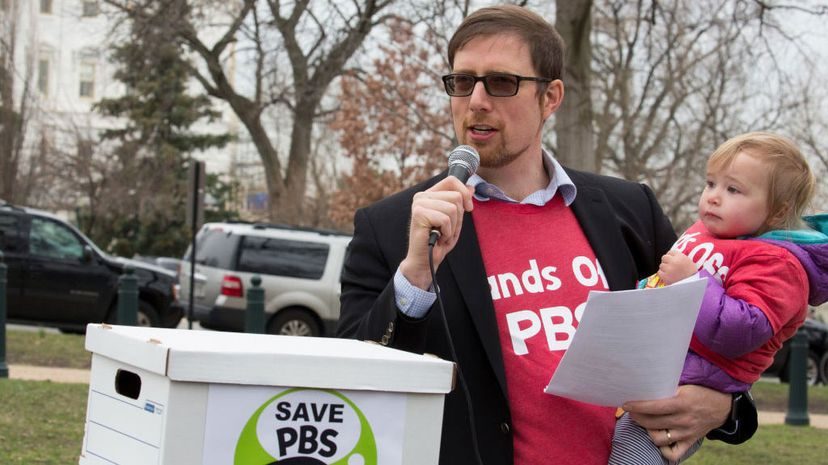
At the beginning of 2017, the stakes were even higher. President Donald Trump has proposed draining all federal funding for the Corporation for Public Broadcasting (CPB). No more money for NPR. No more money for PBS.
The amounts are small. But for the public media, it’s devastating. Stations in small markets rely on federal investment. It can make up 40 to 50 percent of their budget. CPB contributions also covers the technical infrastructure. They cover copyright fees. Without it, the lights go out.
Most Americans oppose defunding. A January 2017 poll found that 76 percent opposed eliminating federal funding for public broadcasting. The numbers are clear. The political pressure is real. The future remains uncertain.
Can public media survive in a fragmented media environment?
The debate about federal funding for public broadcasting is becoming secondary to existential threats. Will public radio and television become irrelevant in the age of media fragmentation? Population statistics tell an alarming story. In 2015, the median age of NPR’s audience was 54. Twenty years ago, the number was 45 years. This change is a red flag in a cultural landscape dominated by hip, young and active consumers who prefer the irreverent, on-demand podcast style to the serious, down-to-earth tone of traditional public radio journalism.
NPR has tried to pivot. The network offers several podcasts, including top performers such as “This American Life” at No. 3 and “TED Radio Hour” at No. 6. But historically, the network didn’t promote these shows on air. The logic is that partner stations don’t want to cannibalize their own paid content by directing listeners to free downloads. This internal tension between the central network and local affiliates has created a confusing user experience over the years.
Why NPR One is struggling to get affiliate support
In 2014, NPR launched NPR One, a own app designed to combine national content with local news. However, the network didn’t push it on air. The staff memo specifically prohibits stations from instructing listeners to download apps through iTunes or an NPR One interface, but allows stations to mention if an announcer hosted a particular podcast. The goal is to avoid conflict with affiliates who are concerned about losing audience engagement.
This hesitation seems misguided. This app could really help grow local stations grow. About 40 percent of NPR One’s listeners are under the age of 35, a notoriously hard-to-reach demographic. The survey found that a third of app users rarely listen to traditional radio, while a quarter reported listening to terrestrial radio “more” after using the app. This is a hybrid model that bridges the gap between traditional broadcasting and digital consumption.
Larger member stations have realized this. They began promoting NPR One on their own, tailoring offerings to a mobile audience and attracting new listeners. Smaller broadcasters do not have the staff to implement such digital strategies, which slows down their adoption. The result is a two-tiered system where larger markets adapt faster and smaller communities lag behind.
PBS Passport and the Sesame Street Shift
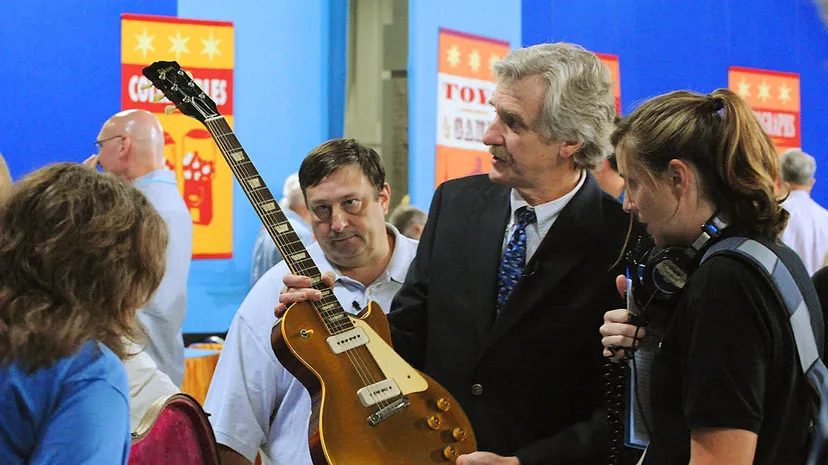
PBS is trying to stay competitive with new offerings such as PBS Passport, a video-on-demand service that launched in December 2015. The service is being launched at the right time to catch viewers who want to watch “Downton Abbey” before its final season. Passport gives you access to about 1,000 episodes of shows like “Antiques Roadshow,” “American Experience” and “Nova.” The catch? You must donate to your local station to use it.
But the bigger story is departure of “Sesame Street.” In 2016, the show signed a five-year deal with HBO after 46 years on PBS. This move was due to massive financial losses. Merchandise and DVDs can generate revenue, but producing the show is expensive to produce, and changing media habits advertising revenues had declined.
“Some see the move as a betrayal of the show’s original values — to provide education children through free television. Others point out that thanks to the money provided by HBO, this may be the only way ‘Sesame Street’ survives.”
New episodes will air exclusively on HBO and then on PBS nine months later. To purists, this feels like a betrayal of its mission to provide free educational content. For business observers, this is a stark reminder of the financial pressures on nonprofit media.
Is this an anomaly or expected?
Is Sesame Street’s move an anomaly or a forecast of what’s likely to happen to PBS content? It’s too early to tell. One thing is clear: the public media knows that adaptation is the key to survival. The old passive broadcasting model is not enough. If these organizations can’t meet audiences where they are through apps, HBO, and podcast feeds, they may become obsolete. It is no longer just a matter of funding. It’s all about relevance. And relevance is fleeting.