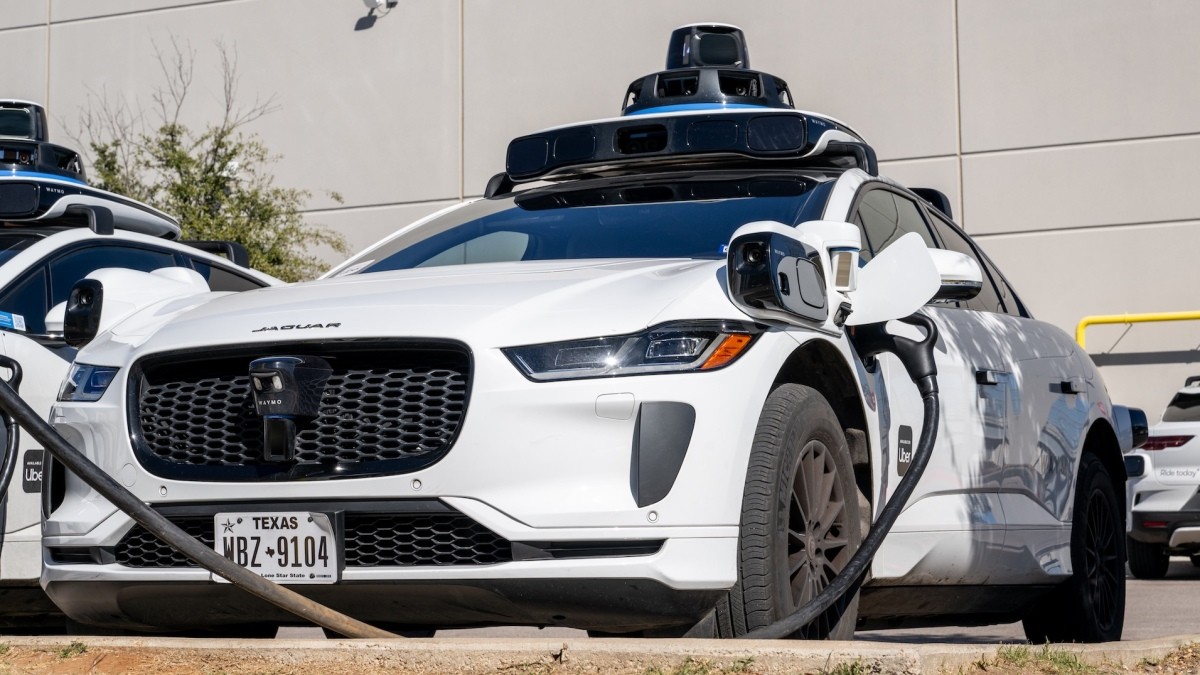
The batteries are done driving. They can’t haul a robotaxi anymore, the chemistry has faded.
But Waymo isn’t sending them to the scrapyard yet.
They’ve partnered with B2U Storage Solutions to put these tired cells to work. Not for cars. For the grid.
Old EV batteries don’t die instantly. They retain enough capacity to be useful elsewhere. This program takes those retired units and turns them into a stationary reserve. They absorb solar surplus at midday, when the sun is too bright and the grid is flooded, then push that electricity back out later in the day when everyone gets home and turns everything on.
A buffer.
Currently, this is happening in California and Texas. Both are places where Waymo already has a heavy footprint. Think Los Angeles. San Francisco. Dallas. Houston. Austin.
Hundreds of megawatts will be deployed there.
Does that sound like much? Maybe not. Los Angeles alone gets about 8,10 megawatts from its local water and power department. This storage adds a slice to that pie, but the slice matters because of what it displaces.
Right now, when demand spikes, grids often light up dirty backups. Gas turbines kick in. Sometimes trash is burned just to keep the lights on. This battery swap helps prevent that.
It replaces dirty fuel with stored clean energy.
Our shared fleet of EVs provide a messy, practical path to support clean energy growth and the circular economy.
— Adam Lenz, Head of Sustainability at Waymo
There’s no neat bow on this yet. Just hundreds of dead batteries sitting quietly in a container somewhere, keeping the grid stable without burning another fossil fuel.
Not bad for trash.