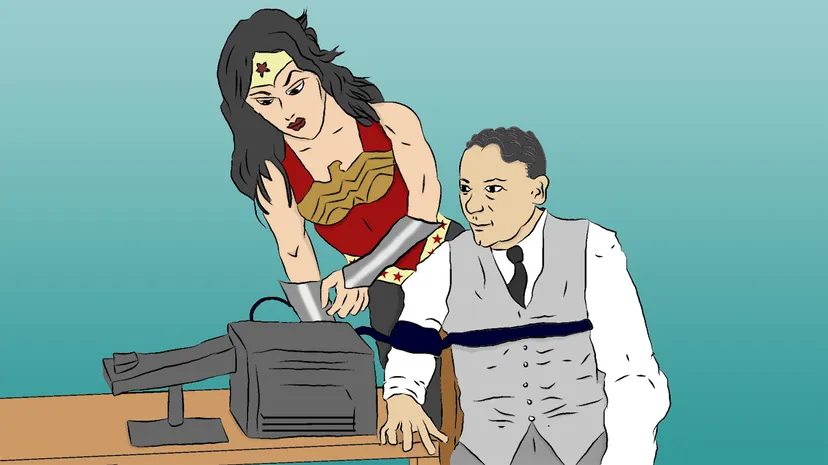
2016 has been a brutal year for Diana of Themyscira. It is hard to believe she is celebrating her 75th anniversary when the public narrative has been so relentlessly negative. The timeline is messy. She made her big-screen debut in March only to be buried under a wave of critical disdain. The reviews called it a slugfest. The audience reaction was mixed at best.
Then came the UN honor. She was named an honorary ambassador for women and girls. The symbolism was potent. The reality was short-lived. The title was revoked just two months into what was supposed to be a twelve-month campaign. That is a humiliating exit.
The comics world offered little comfort. The acclaimed “Legend of Wonder Woman” series was canceled. Fans who loved the creative run were left holding the bag. Then there was the spectacle of Frank Cho. The artist threw a public fit because he could not draw Wonder Woman’s underwear on a cover. It was a distraction. A loud, messy distraction that overshadowed the character’s actual legacy.
Her creator, William Moulton Marston, saw “Wonder Woman” comics as an educational opportunity to teach readers about his beliefs, controversial both at the time and today.
It is easy to forget the original intent behind the character. The current state of her brand is chaotic. But there is a secret history that most storytellers ignore. It is tucked away in the archives. It is hidden in the psychological profiles of her creator. William Moulton Marston did not just want to sell books. He wanted to teach. He used Wonder Woman as a vehicle for his own radical ideas.
Jill Lepore pulled these fragmented pieces together in her 2014 book, The Secret History of Wonder Woman. The research is dense. The conclusions are startling. Marston baked three specific fixations into the DNA of the Amazon princess. They were not subtle. They were controversial then. They remain controversial now.
The first fixation was the detection of lies. The Lasso of Truth was not just a plot device. It was a manifestation of Marston’s interest in the COWS test, a precursor to the modern polygraph. He believed in transparency. He believed in exposing deception.
The second was a matriarchal uprising. Themyscira was not just an island. It was a blueprint. Marston wanted to show a world where women held all the power. It was a direct challenge to the patriarchal structures of the 1940s.
The third fixation is the one that causes the most debate. Sexualized bondage. The bracelets that deflected blows. The lasso that restrained enemies. The imagery was explicit. It was rooted in Marston’s personal life and his unconventional relationships. It was a statement. A statement about submission and strength.
Marston was a psychologist. He was also a polyamist. He lived with his wife and another woman. He believed in the submission of the strong and the dominance of the loving. Wonder Woman was the avatar of this philosophy. The comics were educational tools. They were meant to provoke thought. They were meant to change minds.
The modern interpretation has stripped away much of this complexity. The movies focus on spectacle. The comics focus on continuity. The nuance is lost. The educational mission is forgotten. But the
The Polygraph Origins and The Lasso of Truth
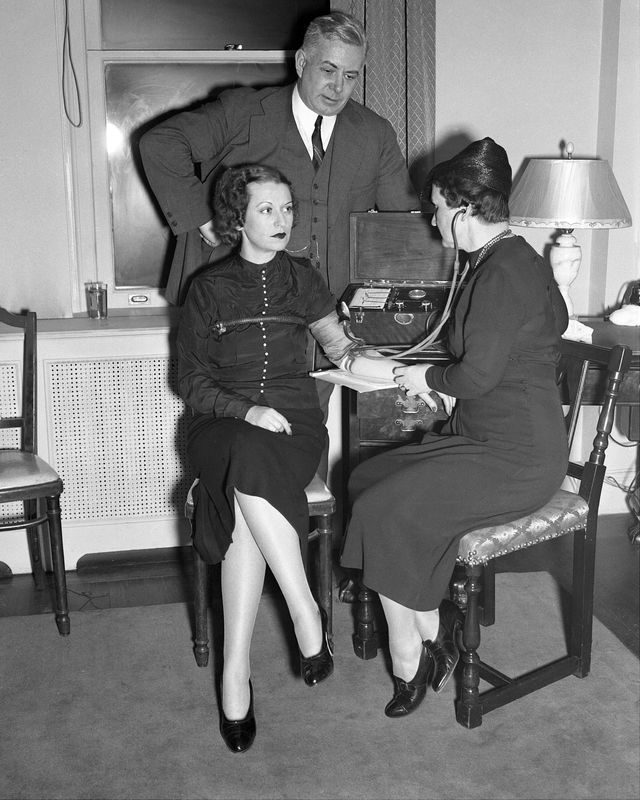
William Marston didn’t just invent the lie detector. He built the prototype. His early device was painfully basic. A stethoscope. A blood pressure cuff. Nothing like the complex digital polygraphs forensic psychophysiologists use today. The core principle remained the same though. Deception causes anxiety. Anxiety triggers physical changes. Blood pressure spikes. Heart rate accelerates. Respiration shifts. Skin conductivity changes.
But Marston wasn’t the first to spot the link. Evidence suggests his wife, Elizabeth Holloway, had the real insight. She noticed her own blood pressure rising when she was upset. Marston took that observation and turned it into a gadget.
The accuracy of these tests has always been questionable. It was debatable in 1922 when Marston tried to use them in court. It’s still debatable now. When the courts rejected his invention, Marston retreated. He went to fiction. He created Wonder Woman. Her golden “Lasso of Truth” forces those in its thrall to reveal their deceptions. A metaphor for a machine that couldn’t convince a judge.
The Matriarchal Vision Behind the Amazon
Marston’s personal life was as unconventional as his science. He married Holloway. He also partnered with his former student, Olive Byrne. The trio lived together in polyamory. Marston fathered children with both women.
This wasn’t just a lifestyle choice. It was ideological. Byrne’s aunt was Margaret Sanger. The famous feminist’s philosophies heavily influenced Marston. He had already supported women’s rights. He even worked in the Harvard Men’s League for Women’s Suffrage. Yet he also labored under Hugo Münsterberg. Münsterberg opposed women’s right to vote.
This contradiction shaped Marston’s worldview. He believed women were superior. They were more trustworthy. Less aggressive. In his mind, they would eventually run the world.
In a 1943 essay, Marston wrote about his solution to gender dynamics:
Not wanting to be girls they don’t want to be tender, submissive, peace loving as good women are. Women’s strong qualities have become despised because of their weak ones. The obvious remedy is to create a feminine character with all the strength of a Superman plus all the allure of a good and beautiful woman.
Wonder Woman was that remedy. She combined feminine allure with Superman-level power.
Dr. Psycho, the villain, served as a direct counterpoint. Marston drew inspiration from Münsterberg when designing him. A reminder of the patriarchal force Marston sought to dismantle.
Wonder Woman’s home reflected this ideal. Paradise Island. Later renamed Themyscira in 1987. It was a female-dominated society. Run by Amazons. Deeply rooted in ancient Greek myth.
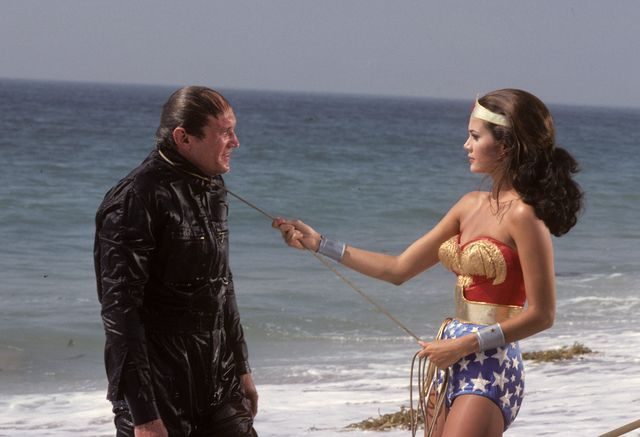
The connection between William Marston’s political activism and his comic book heroism isn’t just academic trivia. It’s the literal chain that binds the character’s origins to real-world history. Marston didn’t just watch the suffrage movement; he was physically moved by it. The pivotal moment came when he saw suffragists chaining themselves to a fence during a protest. That image stuck.
Chains became a symbol of emancipation for women in that era. Marston translated that visual language directly into Wonder Woman’s origin story. You’ll see her constantly chained up by enemies in the early comics. It wasn’t just good action-setpiece writing. It was an allegory.
The Allegory of Bondage
Marston viewed the lack of birth control as a form of enslavement. Margaret Sanger, a close friend and fellow psychologist, articulated this clearly. She published a collection of letters titled Motherhood in Bondage. The premise was stark. Women trapped by unwanted pregnancies were trapped by slavery.
This context explains why Wonder Woman’s liberation themes are so persistent. She breaks chains. She overpowers captors. She wins through truth and love, not just brute force. Marston was embedding a radical feminist argument into a superhero narrative at a time when such ideas were dangerous.
The Complicated Creator
It’s not a clean hero’s journey. Marston’s personal life contradicted his public ideals in significant ways. He lived in a polyamorous relationship with his wife, Elizabeth, and their mutual partner, Olive. Yet, evidence suggests he suppressed Elizabeth’s career. He took credit for her psychological theories, including the DISC assessment still used in corporate HR today.
He controlled the narrative. He controlled the credit. This tension is precisely what the upcoming biopic, Professor Marston and the Wonder Women, aims to explore. If the film fails to dig deep, fans are left with the comics themselves as the only source material for this complex genesis.
Why Wonder Woman Matters Today
The character debuted in All Star Comics #8 in December 1941. It’s easy to forget how fast she exploded onto the scene. Just one month later, she graced the cover of Sensation Comics #1. She wasn’t a slow burn. She was an immediate phenomenon.
That rapid ascent suggests readers were hungry for something different. A hero who didn’t rely on traditional masculinity. A hero who valued empathy as strength.
The Modern Resurgence
Now, we have Gal Gadot’s second outing as the Princess of Themyscira. The hope is that this film delves into Marston’s original intent. Not just the spectacle, but the source. The struggle for bodily autonomy. The fight against systemic control.
If the movie misses the mark, the comics remain. They are a time capsule of 1940s radical feminism wrapped in spandex. It’s a messy legacy. Marston was a pioneer and a patriarch. He championed women’s rights while sidelining the women closest to him.
Does that make the character less valuable? Or does it make her more real?
Wonder Woman has been chained, broken, and rebuilt multiple times. She’s survived seven decades. The question is whether modern audiences will see the chains as symbols of oppression