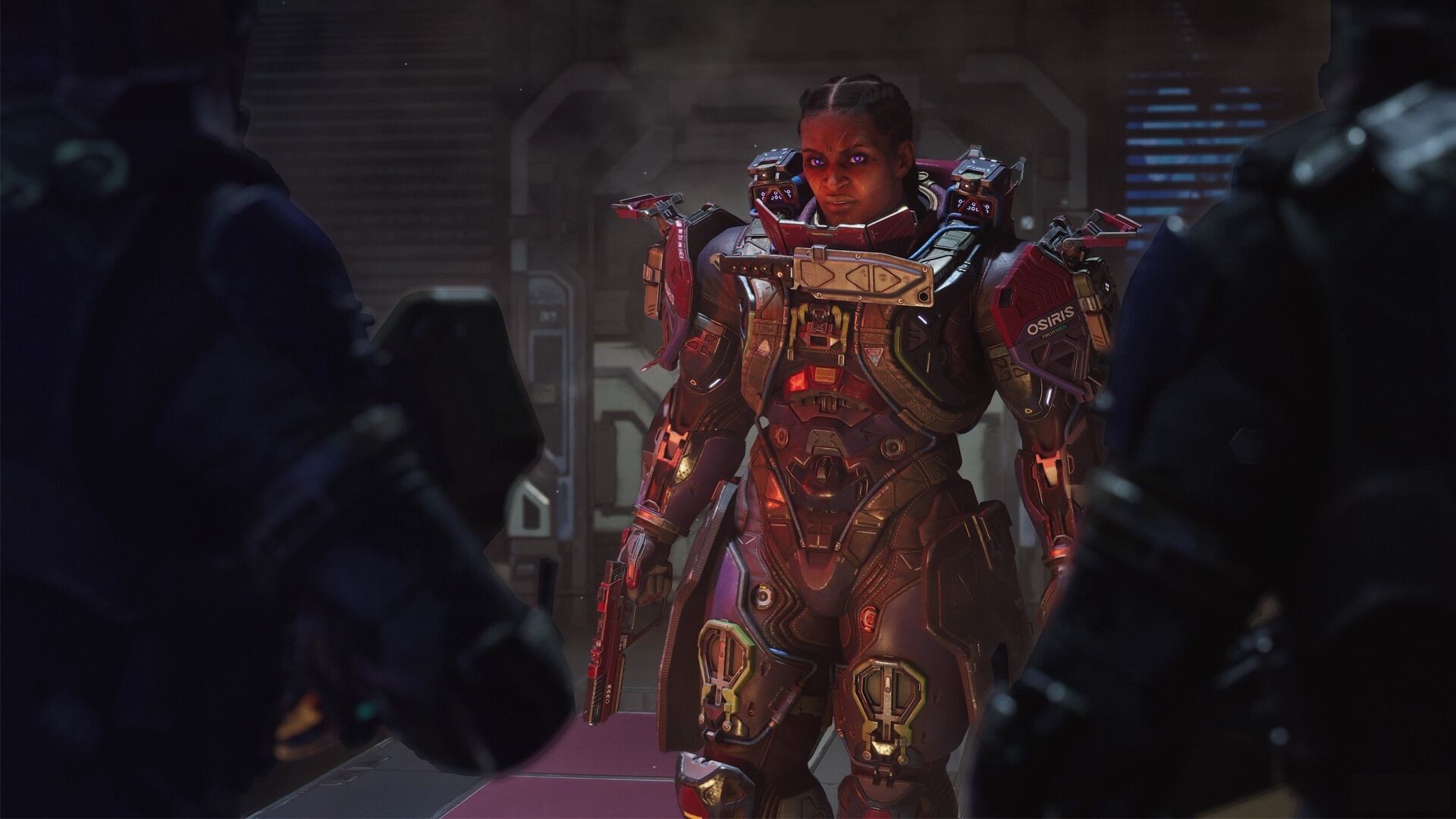
Owlcat Games is stepping into uncharted territory. Known primarily for deep, complex computer RPGs (cRPGs), the studio is now pivoting toward the action-RPG genre with The Expanse: Osiris Reborn. Following a hands-on preview of the closed beta, it is clear that while the game draws heavy inspiration from BioWare’s Mass Effect series, it intends to bring a much harder, more tactical edge to the space opera formula.
A Familiar Foundation with Deeper Mechanics
The comparisons to Mass Effect are intentional. Game Design Director Leonid Rastorguev has openly acknowledged the influence of the legendary series, but he emphasizes that the “Owlcat DNA” will define the experience. This means that while the gameplay is more fast-paced and action-oriented, the underlying systems are significantly more complex.
Where many action RPGs prioritize streamlined progression, Osiris Reborn leans into depth:
– Complex Skill Trees: Combat and ability trees are notably denser than those found in BioWare’s titles.
– Social Engineering: Skill trees aren’t limited to combat; “social” skills can unlock new dialogue branches or grant access to restricted areas and loot.
– Granular Customization: Weapon and gear customization offers a level of detail that suggests a much higher ceiling for player expression and build variety.
This approach attempts to bridge the gap between the “breezy” feel of an action game and the meticulous character building expected from a hardcore RPG.
Hard Sci-Fi: High Stakes and Tactical Combat
The game’s setting—based on the acclaimed novels and TV series—is not just a backdrop; it dictates the gameplay. One notable detail is how the world-building affects character identity; for example, choosing a “Belter” background results in a taller, more slender character model, reflecting the physiological effects of low-gravity environments.
Combat in Osiris Reborn is described as “brutal and punishing.” Unlike many shooters where players can run and gun, this game demands tactical discipline.
“We really advise you to stay in cover and play from cover,” warns Rastorguev.
The game utilizes a “tactical slow-motion” mechanic rather than a traditional pause. This allows players to manipulate time to issue commands to companions or target specific threats, which becomes essential when facing heavily armored enemies. This creates a high-stakes loop where reckless builds are easily punished, and positioning is the difference between survival and death.
Mastering the Void: Zero-G Visuals and Physics
One of the most impressive technical feats highlighted in the preview is the game’s handling of zero-gravity combat. Many space-based games struggle with “floaty” movement that feels disconnected from reality, but Osiris Reborn uses particle effects and physics to make weightlessness feel dangerous and visceral.
During spacewalk sequences, the environment itself becomes a hazard. Cover is scarce, and the destruction of objects—such as gas pipes or debris—can drastically alter the battlefield. The sensation of dodging projectiles while drifting through a vacuum provides a cinematic spectacle that remains grounded in the game’s mechanical reality.
Looking Ahead
With a tentative release window set for Spring 2027, Owlcat Games has significant time to refine the balance between its frenetic action and deep RPG systems. While the full narrative weight and the long-term impact of player choices remain to be seen, the foundation is undeniably strong.
The Expanse: Osiris Reborn appears to be positioning itself as a more demanding, mechanically rich successor to the classic sci-fi RPG, trading the comfort of power fantasies for the tension of a lived-in, unforgiving universe.