


Writing about illness is a bad idea. You catch what you study. Sinusitis? I developed a sniffle. Hearing loss? Suddenly I needed the volume up on everything. Snoring? My bed partner left the house. Now, after writing on chronic constipation a year ago… well. Enough said.
The habits didn’t change. Water, exercise, routine food. Yet here we are. Blocked up. Is it age? Probably. The gut changes. Specifically, it suffers dysbiosis. A breakdown in the microbial community. Most adults maintain stability, but later life brings decay.
“The diagnostic capabilities of these tests remain underdeveloped,” Stephanie Servetas
Dysbiosis is fuzzy. Hard to pin down because your gut is yours, shaped by decades of choices. Broadly, it’s a shift from cooperative bugs to aggressive ones. Biodiversity drops. The friendly fermenters vanish. Those bacteria eat fibre and make anti-inflammatory compounds. They disappear. In their place? Enterobacteriaceae. A family that includes harmless species, yes. Also E. coli. Salmonella. Shigella. The bad guys.
Why does this happen? We don’t know all of it. But one culprit is clear: aging immune cells. They live in the intestinal lining. For years they protect the gut. Keep the nasties out. Cultivate the friends. Then? They tire. The guard gets old. The invaders slip through.
A vicious cycle starts. Pathogens breach the gut wall. Enter the blood. The immune system flares. Chronic, low-grade inflammation follows. It is called inflammaging. This fire damages more immune cells. Worsens the dysbiosis. Burns out the liver. The brain. Kidneys. Lungs. Fat. Bone. Muscles. Everything pays a price.
But look at the exceptions. The long-lived ones. Take María Branyas Morera. She lived to 117. Scientists tested her blood, saliva, feces. Three secrets emerged. Genes for longevity. Efficient lipid metabolism. And a gut that looked young. Rich in Bifidobacterium. This genus fights inflammation. Usually it dies off as we age. Not for her. Centenarians consistently show this trait. A youthful microbiome isn’t just a perk. It’s the rule for the super-aged.
So. How to fix it? First, stop buying those home testing kits. A team at NIST checked seven popular kits. Results varied wildly between providers. Useless data. Don’t waste your money.
Food works better. Andrea Ticinesi calls diet the “main environmental factor” shaping the gut. A year-long trial proved it. A Mediterranean diet. Veggies, legumes, fruit, nuts, fish, olive oil. This mix boosted beneficial bacteria. Reduced inflammation. Improved cognition. Lowered frailty. I eat like this anyway. Doesn’t help. Not enough.
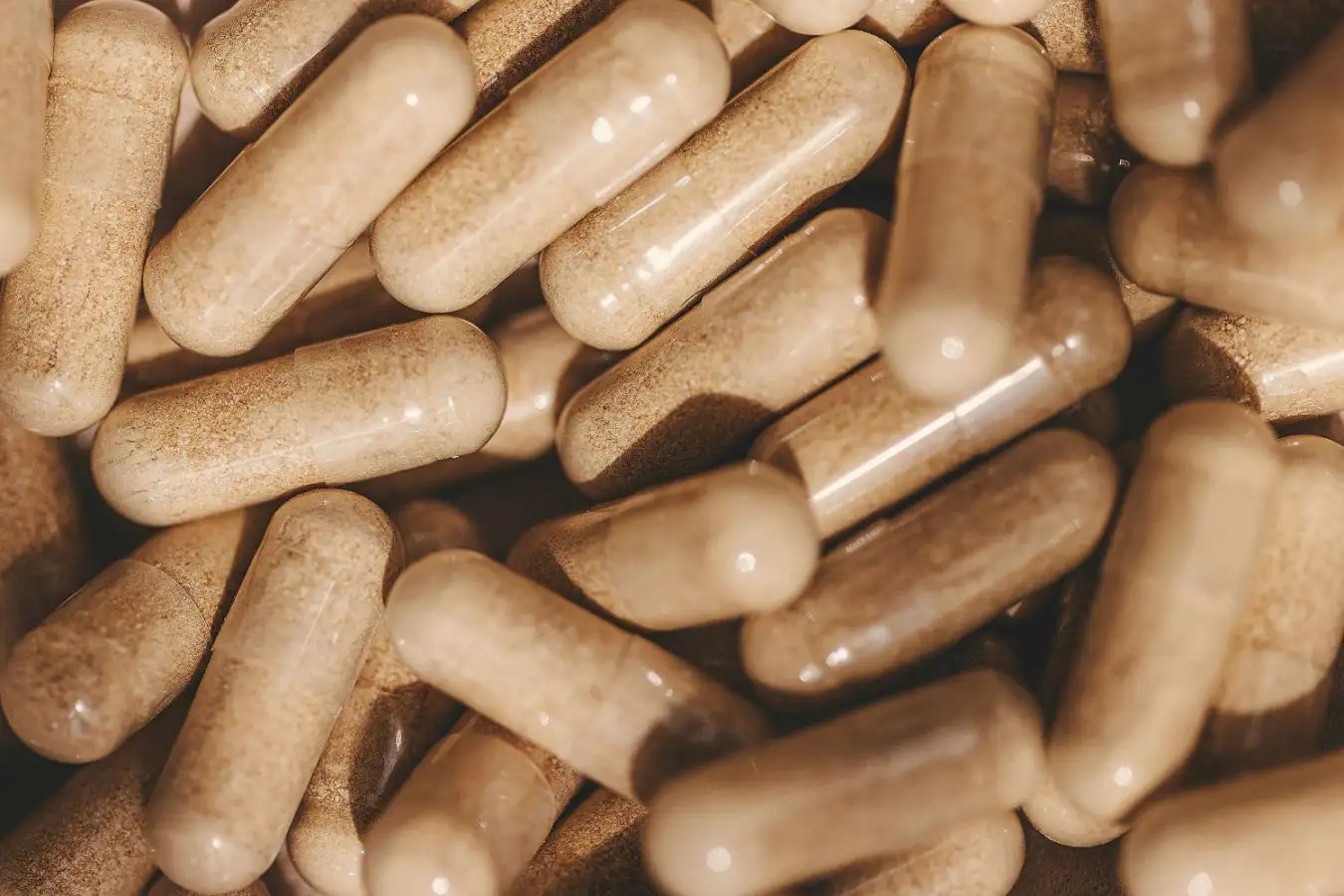
Probiotics? Live bacteria, usually Lactobacillus or Bifidobacterium. Promising. They help muscle wasting. Mild cognitive decline. They tweak the microbiome. But they don’t touch inflammaging. Prebiotics and postbiotics? Evidence is thin. Dead bacteria? Mixed results. Sleep and exercise help too, of course.
What did María eat? Yoghurt. Three portions a day. Natural. Unsweetened. The researchers think it replenished her Bifidobacterium. I barely touch the stuff. White, sour, thick. Unappealing. But if living past 117 depends on it? Fine.
I bought a tub today. I’ll try it. I’ll report back if I live long enough.


